How climate change is affecting the taste and structure of the wines you drink
From bud suspension in spring, to harvest in summer, the grapevine undertakes a journey of growth that lasts effectually 140 to 160 days. During the bike, the vine remains at the mercy of nature'southward vagaries, simply the unique climate that characterises each vino region means winemakers can count on familiar weather patterns to make their viticulture decisions.
In contempo years, the effects of climate change have, for amend or worse, altered those familiar rhythms. Absurd regions have become warmer, while warm regions have become hotter. Winemakers have had to adapt to new climatic weather, without compromising the quality of their vineyards and wines.
We take look at how some pinnacle wine producers are reacting to climatic change, and how it may affect your favourite wines.
READ> Who is the father-and-son squad backside one of Singapore's tiptop wine distributors?
IN CHAMPAGNE, A CHANCE FOR MORE VINTAGES
For Dom Perignon's winemaker, Daniel Carvajal-Perez, climatic change in the region of Champagne isn't a new concept.
"Climate change has been objectively observed in Champagne since the end of the 1980s," said Carvajal-Perez. "With warmer temperatures, the vine cycle has been shorter and we've been harvesting earlier on average. Till today, the touch on on the quality of the wine has been positive, with higher maturity and concentration in the grapes."

Winemakers need to adjust to the ecosystem's changing parameters, he added. Carvajal-Perez said that climate change has prompted the Dom Perignon winemaking team to "re-explore the definition of grape maturity".
"When y'all have a wider window [of harvest] because of less rain and warmer temperatures, you need to empathise more precisely what you lot want in terms of aromas, phenolics, and colours [from the vino]," he said.
Dom Perignon produces vintage champagne exclusively, a bubbly fabricated only when the year's harvest is outstanding enough for the producer to declare a wine product. (Thus, in years when the harvests were not upwardly to par, it did not produce any champagne, for instance, in 2001 and 2007.) The 2010 was Dom Perignon'south third successive vintage; a rather rare chapeau-pull a fast one on for the champagne house.
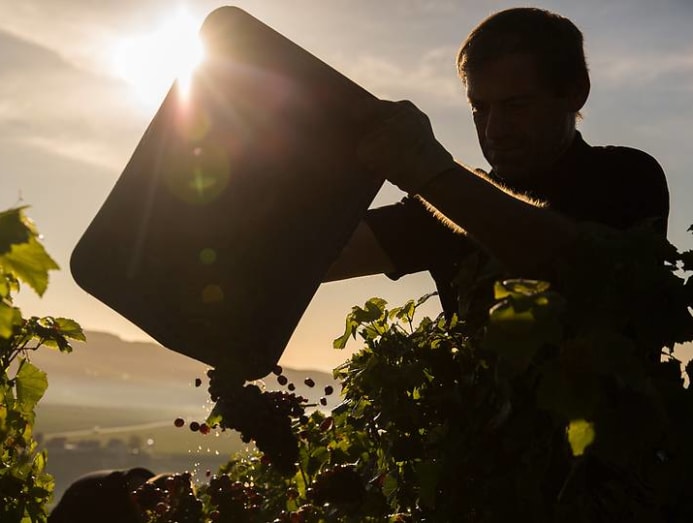
"It's true that in the first decade of the 2000s, nature and the climate have been kind to us," said Carvajal-Perez, calculation that 2002, 2003, 2005, and 2006 were "warm vintages". "I recall – and I hope – that nosotros're continuously improving, vintage afterwards vintage, generation after generation."
Clovis Taittinger, general manager of Reims-based Champagne Taittinger, remains cautious about the benefits of climatic change.
"Nosotros still can't make whatsoever conclusions from climate change," he said. "But like anybody else in the region, we are, on average, harvesting much earlier than in the past. Early harvest is an exception becoming the rule."
On whether the house volition come across more vintage champagnes in the futurity as a effect of irresolute climatic conditions, Taittinger is coy, noting it is "incommunicable to make any forecasts".
"We still tin can't brand any conclusions from climate change," he said. "But like anybody else in the region, we are, on boilerplate, harvesting much earlier than in the past. Early harvest is an exception becoming the rule." – Clovis Taittinger
READ> We ask Singapore restaurateurs: What wines practice y'all drink at domicile?
RIPER, BETTER High german RIESLINGS
In Rheingau, a modest German vino region synonymous with Riesling, the warmer temperatures from climate modify have been advantageous for Weingut Peter Jakob Kuhn, a family-run winery.
"We are seeing more chances than risks with the electric current climate," said Peter Bernhard Kuhn, a twelfth-generation winemaker and son of Peter Jakob Kuhn, the eponymous winemaker of the biodynamic winery. "[Because of cooler climates in the by], my parents' generation had to deal with numerous vintages that would not reach sufficient ripeness to reach dandy quality, specially during the 1980s.
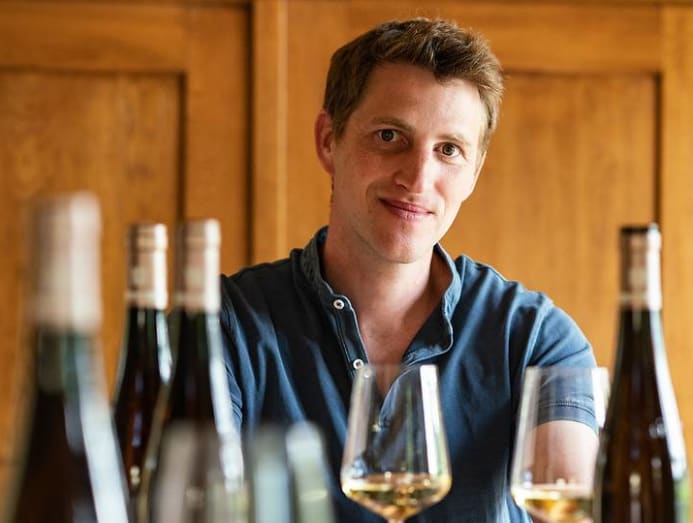
"My generation has multiple chances to choice Riesling grapes in perfect rest –saccharide ripeness and acerbity are achieved every vintage. This allows the states to develop distinct expressions of different terroirs, rather than just fighting to reach ripeness."
Kuhn added that Rieslings volition go "more elegant and perchance a little less provocative". The increased exposure to sunlight means grape skins are getting thicker, providing more texture and structure to the wine, and complementing its acidity.
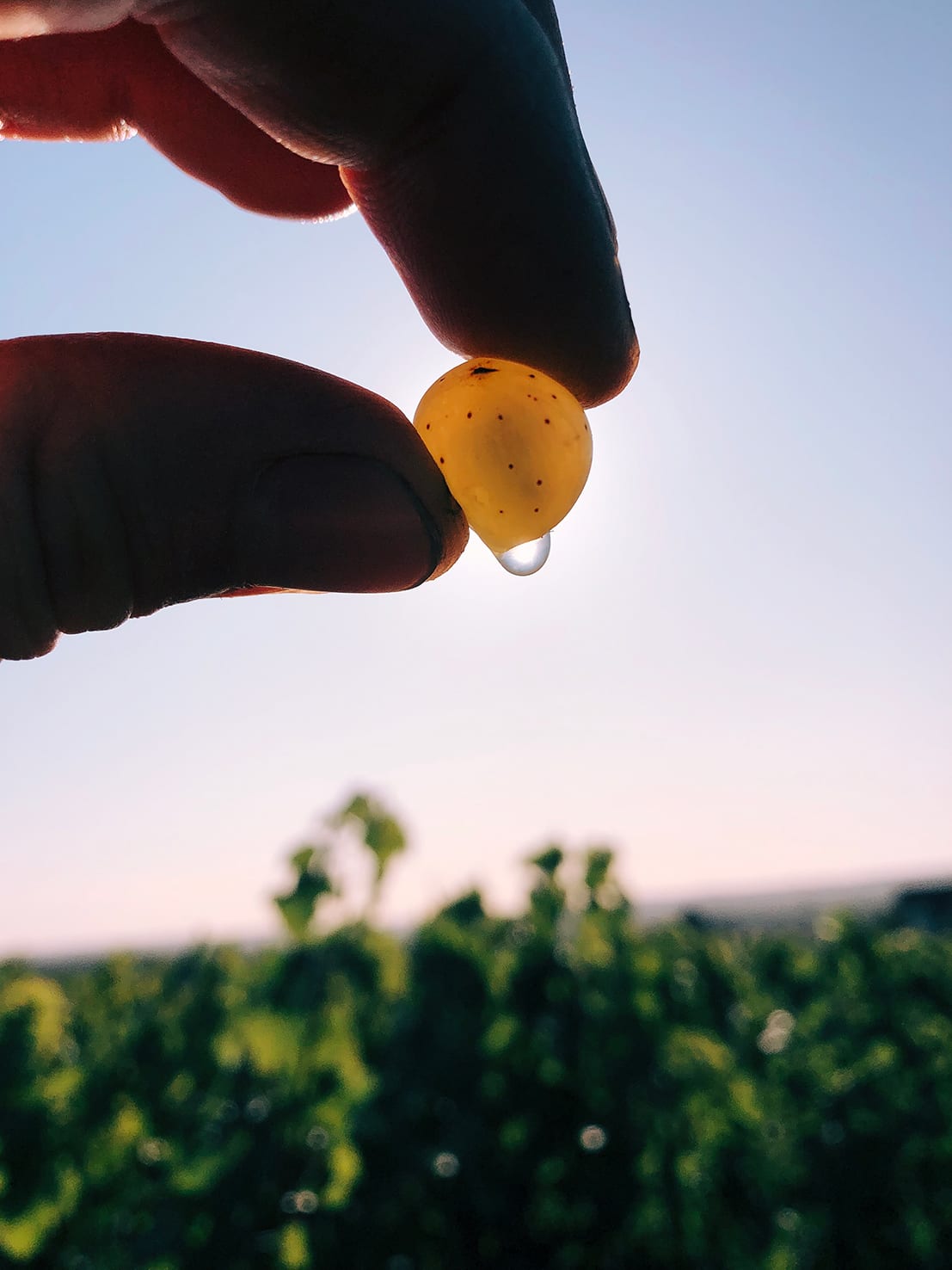
Too much sunlight exposure isn't skillful, though, as sugar ripeness would soar at the expense of acidity: Winemakers gun for a sweetness spot; a remainder between ripeness and acerbity during harvest. To counter the sunnier climate, Kuhn arranges the vine's leaves and shoots to requite more than shade to the grapes and lower their sunlight exposure.
Besides, winemaker Wilhelm Weil of Weingut Robert Weil – another family unit-run winery in Rheingau – is focusing on harvesting grapes that are not overly ripe for his dry wines. Meanwhile, his sweeter styles of Rieslings have flourished.
"Today we can continuously harvest perfectly ripe Riesling grapes," said Weil, adding that the winery now has 32 consecutive vintages of Trockenbeerenauslese (wines made from shrivelled, overripe grapes that are affected by noble rot or Botrytis, a fungus that sucks water out of the berries, concentrating their sugars) and other noble sweet wines.
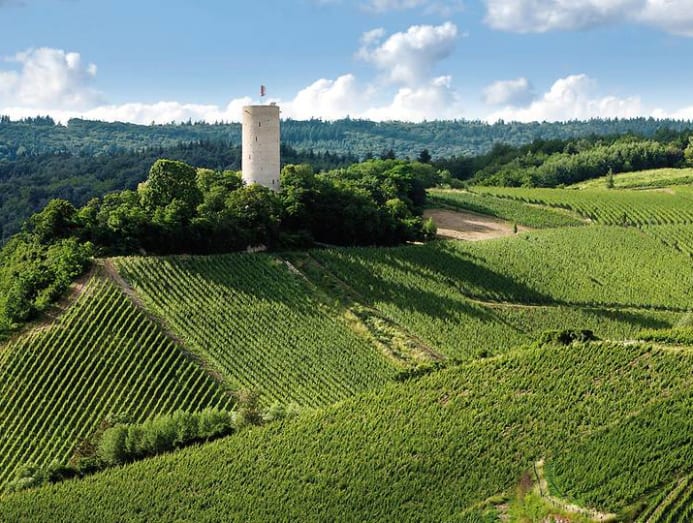
"My great-grandfather had the challenge of harvesting ripe grapes on our hillside vineyards," he recalled. "In a decade, he was merely able to become berries with optimum ripeness three times."
Over in the region of Nahe, winemaker Caroline Diel of Weingut Schlossgut Diel echoed her counterparts in Rheingau, sharing that "we have a more than homogenous ripeness in the last decade". "Vintages are more consistent, which doesn't mean they are ever the same. For the moment, weak vintages don't exist anymore."
"We are seeing more chances than risks with the electric current climate." – Peter Bernhard Kuhn
READ> We enquire Singapore sommeliers: What's in your vino fridge?
German PINOT NOIR: THE NEXT Big THING
Pinot Noir, known in Germany as Spatburgunder, is a finicky grape that thrives in absurd climates. Traditionally, Deutschland'south northerly climate meant information technology was a little as well common cold for the grape to ripen well, although some producers, peculiarly those in the warmer southwest regions, have been making exceptional Pinot Noirs to rival those in Burgundy.
With climatic change and warmer temperatures, German Pinot Noir at present has more than potential to smoothen.
"The growing conditions [for Pinot Noir] have improved tremendously," said Diel. "Their maturity level tin can increase rapidly due to the warm weather in September – if you miss the right moment, yous risk losing elegance for higher booze and less structure. If you monitor them well, they are brilliant, with an enormous interaction of fruit, construction, and freshness."
Kuhn said that the benefits for Pinot Noir in Rheingau are "very similar to the ones for Riesling", adding that he expects the wine to accept practiced depth and structure. "At that place will be many cracking Pinot Noirs coming," he said.
READ> 7 great simply underrated Bordeaux wines – that won't break the depository financial institution
IN Commonwealth of australia, Futurity-PROOFING WITH Libation CLIMATES
Over in Australia, climate change has contributed to hotter, drier summers. Fortunately, winemakers are allowed to irrigate, a practice that is however largely prohibited in One-time World regions like French republic and Italy.
Winemaker Kym Schroeter, who handles white wine production at Penfolds winery in South Australia, said: "Nosotros haven't seen plenty effects [of climate change] yet to alter the way we treat our vineyards.
"Yet, over the last few years, we have increasingly sourced from the coolest sub-region of Adelaide Hills – Piccadilly– for our Reserve Bin A Chardonnay. Whereas less than a decade agone, virtually of the fruit was coming from the northern end and warmest part of Adelaide Hills."
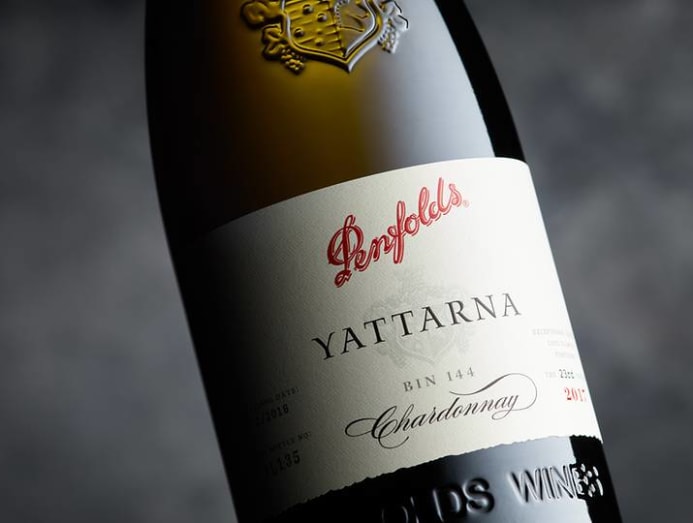
Since 2006, the Penfolds' Yattarna (a Chardonnay first released in 1998) has been including Chardonnay from the cool region of Tasmania, alongside fruit from Adelaide Hills and New South Wales.
"[Including Tasmanian Chardonnay in the Yattarna] in 2006 was more about sourcing the all-time fruit nosotros could find anywhere in Australia to go into our flagship white wine, rather than climatic change at the time," said Schroeter. "Having said that, Tasmanian fruit is now future-proofing the ongoing supply of Yattarna at the top level and the manner nosotros want to make."
Future-proofing appears to be the proper noun of the game in climate change and winemaking; a strategy that Yalumba, a celebrated winery in the Barossa Valley, began adopting decades agone.
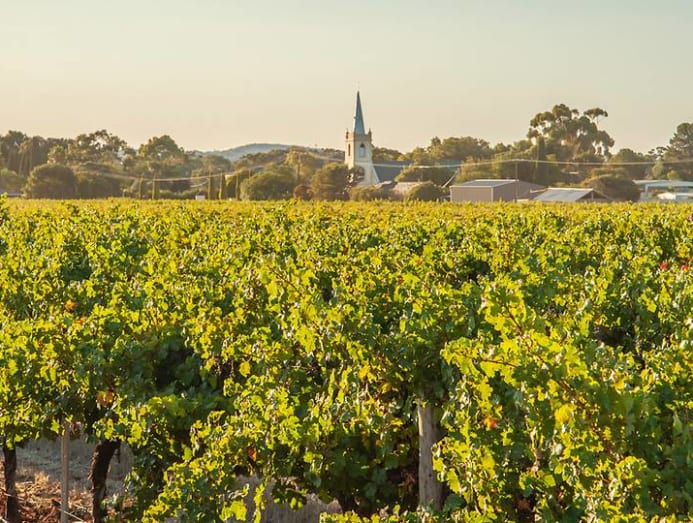
Louisa Rose, main winemaker of Yalumba, said: "The Hill-Smith family [who owns Yalumba] has spread their risk over the final xxx years by investing in regions that are cooler and take reliable h2o such as Coonawarra, Wrattonbully, and Tasmania. At the same fourth dimension, they have not given up on their traditional homes in the Barossa and Riverland."
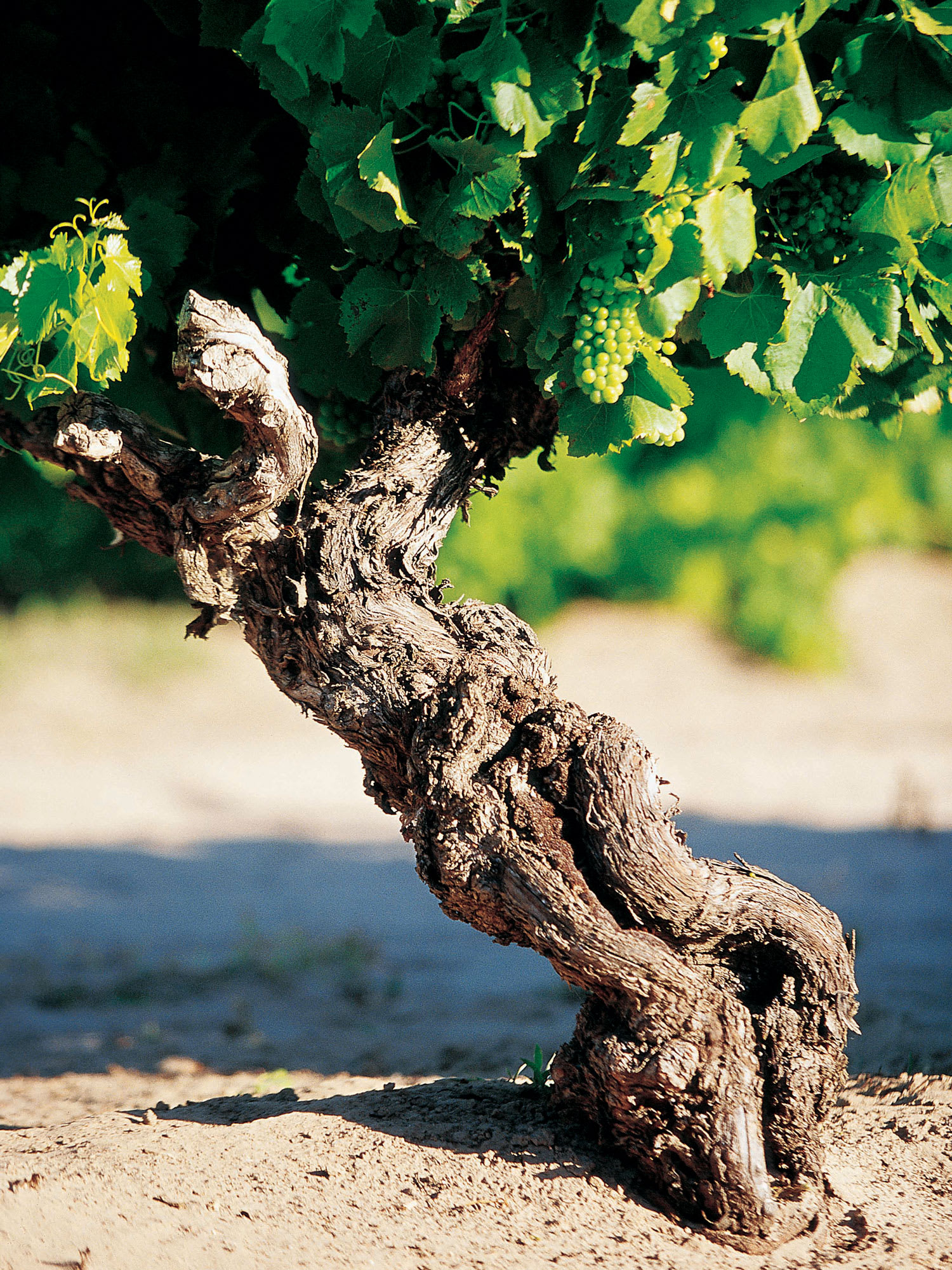
The Yalumba Plant nursery has also been conducting many trials and experiments with rootstock (the part of the vine that remains secret) selection. "The right rootstock can dramatically increase a vine'due south tolerance to oestrus, salinity, h2o stress, and other site bug," she added.
There are many existing varieties that are already suited to warmer temperatures, said Rose. "For example, Grenache is a very oestrus-tolerant grape variety, and has been growing in the Barossa for over 170 years. In fact, the Barossa has the oldest Grenache vines in the world."
Shiraz has too proven to grow well and makes not bad wines from just nigh every climate and region in Australia, she added.
"In that location are lots of winemakers making Shiraz from libation areas. Absurd climate Shiraz is becoming more pop. But I think it'southward a fashion or style change more so than a response to climate change per se."
Source: https://cnalifestyle.channelnewsasia.com/experiences/wine-champagne-pinot-noir-riesling-climate-change-240531
0 Response to "How climate change is affecting the taste and structure of the wines you drink"
Post a Comment